
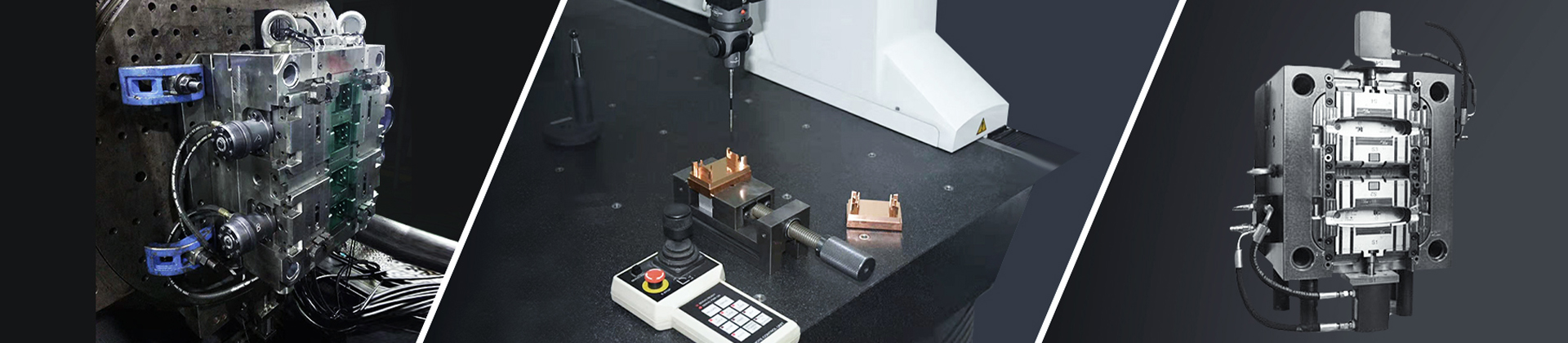
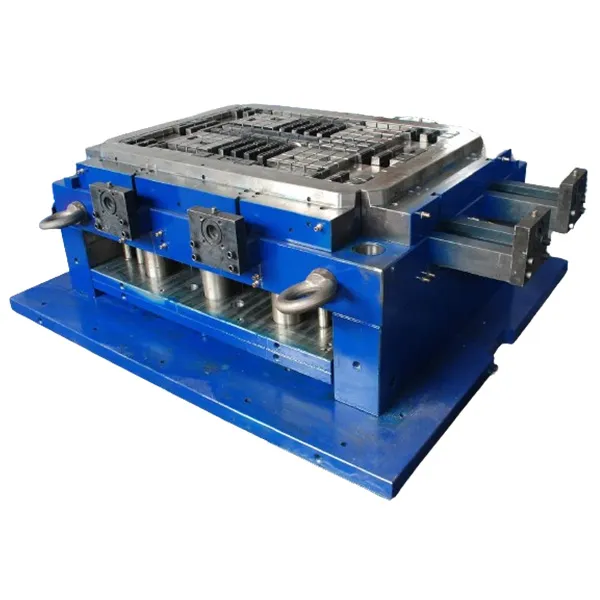
In the high-stakes arena of mass manufacturing, the consistency and performance of Injection molds for plastics dictate the viability of entire product lines. Plastic mold fabrication is not merely a subtractive machining process; it is a multi-disciplinary convergence of metallurgy, fluid dynamics, and extreme dimensional control. When OEMs seek a custom injection molding service, they are not just purchasing a steel assembly—they are investing in the capability to produce millions of identical components with zero-defect tolerance, directly linking mold making construction precision to the functionality of end-use parts in automotive systems, medical devices, and aerospace assemblies.
Engineering-First Design: The Blueprint of Plastic Injection Molds
Modern mold making construction dispenses with guesswork, relying instead on computational physics to validate every gate location and cooling circuit. The engineering phase begins with 3D CAD models where cores, cavities, and slides are parametrically defined for Plastic injection molds with draft angles strictly maintained between 2° and 5° to prevent part adhesion. Mold flow analysis simulates melt-front behavior in Injection molds for plastics, predicting weld-line locations and volumetric shrinkage to within 97% accuracy before any steel is cut. This digital twin approach eliminates the iterative tooling revisions that historically plagued custom injection molding service projects, compressing the design-to-first-article timeline to as few as 21 days for production-grade precise moulds.
Material Science in Mold Making Construction
The operational lifespan of Plastic injection molds is a function of substrate selection, and manufacturers target specific Rockwell hardness ranges to match production volumes. P20 tool steel (HRC 28–32) is specified for Injection molds for plastics destined for consumer goods runs of 50,000–150,000 cycles, balancing machinability with wear resistance. For high-temperature applications exceeding 260°C, H13 hot-work steel (HRC 48–52) is selected for its thermal fatigue resistance, a critical requirement in custom injection molding service programs for automotive under-the-hood components. Surface engineering further extends mold making construction durability: electroless nickel plating deposits a uniform 25–50μm corrosion barrier for medical-grade precise moulds, while titanium nitride (TiN) physical vapor deposition coatings reduce friction coefficients to below 0.4, directly increasing cycle efficiency in high-cavitation Plastic injection molds.
Precision Execution: Machining Technologies for Precise Moulds
Transforming hardened tool steels into functional Injection molds for plastics requires multi-axis machining centers capable of holding single-micron accuracies. 5-axis CNC milling achieves ±0.01mm profile tolerances across complex core geometries, a non-negotiable specification for precise moulds used in micro-injection applications where wall thicknesses reach 0.1mm. For features inaccessible to rotating tools—deep ribs, sharp internal corners, undercuts—electrical discharge machining (EDM) is employed during mold making construction. Wire EDM routinely achieves positional accuracy of ±0.002mm, enabling the production of intricate shut-off surfaces that prevent flash in multi-cavity custom injection molding service tools. Final surface finishing through cylindrical grinding and diamond paste polishing brings Ra values below 0.8μm for standard Plastic injection molds and below 0.1μm for optical-grade precise moulds requiring Class-A surface replication.
Validation and Metrology: Verifying Injection Molds for Plastics
Before a custom injection molding service client accepts a tool, dimensional validation confirms that every tolerance stack-up aligns with the CAD dataset. Coordinate Measuring Machines (CMM) scan assembled Plastic injection molds against reference models, verifying that core-cavity alignments fall within ±0.005mm, a tolerance regime that ensures interchangeable insert compatibility across production lines. Functional testing of cooling circuits subjects the mold making construction to pressure tests at 200 bar, confirming leak-free performance under sustained thermal cycling. First Article Inspection (FAI) reports document the dimensional accuracy, surface finish, and mechanical properties of trial parts produced from the Injection molds for plastics, providing quantitative evidence that the precise moulds meet PPAP Level 3 submission requirements for Tier-1 automotive supply chains.
Application-Driven Customization and Industry Impact
The flexibility of modern mold making construction supports application-specific optimization that generic tooling cannot match. In automotive production, multi-cavity Plastic injection molds with electrochemical machined surface textures deliver 100,000+ door panels annually without grain degradation. Medical custom injection molding service programs utilize cleanroom-certified Injection molds for plastics fabricated from 316L stainless steel with electropolished surfaces (Ra <0.1μm) to produce syringes and surgical components compliant with ISO 13485 standards. Consumer electronics manufacturers depend on precise moulds with 0.1mm wall thickness capability to mold liquid crystal polymer connectors, while aerospace suppliers leverage aluminum Plastic injection molds to fabricate lightweight composite parts with weight savings of 30–40% compared to traditional steel tooling. Each application validates that investing in advanced mold making construction directly reduces per-part cost by extending tool life, minimizing cycle time variation, and eliminating secondary finishing operations.
Technological Directions in Precision Mold Service Delivery
The evolution of custom injection molding service capabilities is accelerating through additive manufacturing integration, where 3D-printed conformal cooling inserts improve heat extraction by 40% compared to conventionally drilled channels in steel Injection molds for plastics. AI-driven predictive maintenance systems analyze real-time sensor data from Plastic injection molds to forecast wear patterns, scheduling insert replacement before dimensional drift exceeds 0.01mm. Digital twin platforms create virtual replicas of entire mold making construction assemblies, enabling production simulation across 50,000+ cycle accelerated life tests without consuming machine hours. These technologies, combined with recycled tool steel initiatives and water-based coolant systems, position leading custom injection molding service providers to deliver precise moulds that satisfy both production economics and environmental compliance targets. The trajectory is clear: as OEMs demand tighter tolerances, faster turnarounds, and documented traceability, the discipline of mold making construction will remain the critical differentiator between suppliers who win long-term production contracts and those limited to prototype-only engagements.
Contact Longterm Mold for Your Plastic Injection Molds Requirements
For more information about our Injection molds for plastics capabilities or to discuss your upcoming custom injection molding service requirements, please contact our engineering team:
Tel: +86 156 0239 2025
Email: longterm@longterm-mold.com
Website: www.longterm-mold.com
