
Introduction
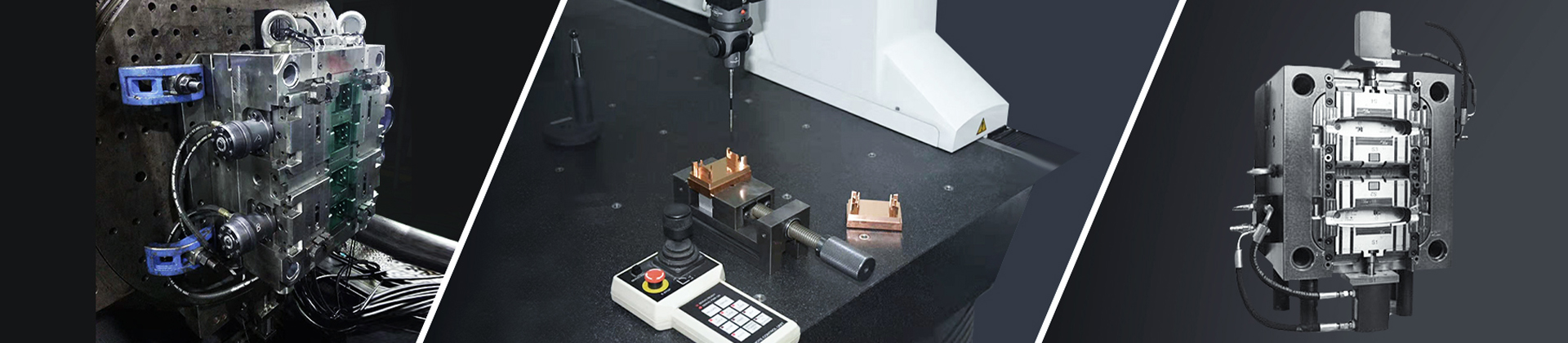
In today’s fast-paced market, low volume production strategies powered by low volume cnc machining and rapid prototypes are redefining product development. By combining rapid Tooling methods with prototype mold technology, manufacturers achieve unprecedented agility. Low volume production eliminates lengthy waits for full-scale tooling, while rapid Tooling and prototype mold processes deliver functional parts in days. Integrating low volume cnc machining with rapid prototypes ensures designs are validated quickly and affordably.
1. Accelerated Time-to-Market with Rapid Prototypes
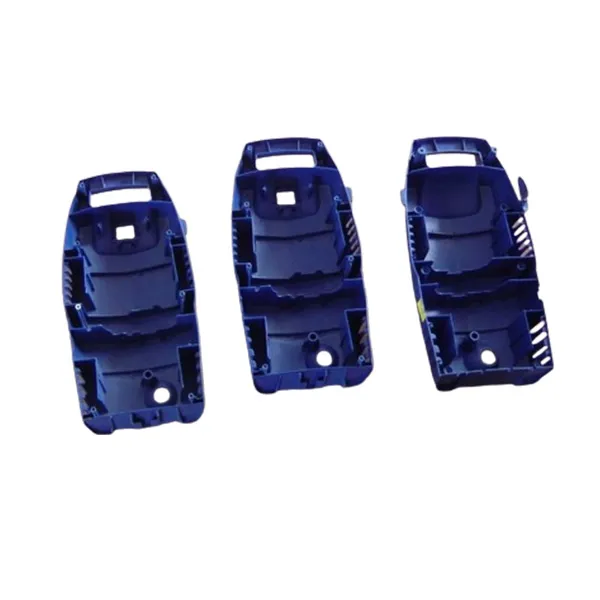
Rapid prototypes lie at the heart of any low volume production strategy. Through low volume cnc machining, you can produce small batches of parts that mimic final materials. Rapid Tooling for prototype mold creation enables design teams to test form, fit, and function within weeks rather than months. This low volume production approach means iterative design adjustments occur in real time. Engineers receive feedback on rapid prototypes, refine geometry, and commission updated prototype mold inserts—all before committing to mass manufacturing.
2. Cost Efficiency Driven by Prototype Mold
Prototype mold development reduces upfront expenses by 50–70% compared to permanent tooling. By leveraging prototype mold inserts made from aluminum or soft-tool steel, businesses benefit from low volume production runs without heavy capital investment. Low volume cnc machining of mold components further drives cost savings, as machining cycles are optimized for rapid Tooling setups. Prototype mold workflows minimize waste, lower scrap rates, and free budget for marketing or additional rapid prototypes, sustaining a lean product development cycle.
3. Design Flexibility via Low Volume CNC Machining
Low volume cnc machining unlocks adaptive manufacturing processes. Designers can implement on-the-fly modifications between batches, using rapid prototypes to validate changes. Integrating rapid Tooling for new prototype mold geometries accommodates shape shifts, surface finishes, and material swaps in midstream. This low volume production methodology supports multi-variant testing—color options, composite materials, or engineered plastics—without the risk or cost of full-scale mold revisions.
4. Supply Chain Agility and Risk Mitigation
Implementing low volume production with prototype mold and low volume cnc machining creates a resilient supply chain. Rapid Tooling allows quick sourcing of critical parts, while rapid prototypes confirm supplier quality. Should market demand shift, production can scale up or down without excess inventory. This flexible model de-risks new product launches and positions companies to capture emerging opportunities.
Conclusion
By weaving low volume production, rapid Tooling, rapid prototypes, prototype mold, and low volume cnc machining into a unified workflow, businesses achieve faster time-to-market, lower costs, and unmatched design agility. Embrace these low-volume production tools to outpace competitors and adapt swiftly to changing market trends.
Contact Us
Tel: +86 156 0239 2025
Email: longterm@longterm-mold.com
Website: www.longterm-mold.com
