
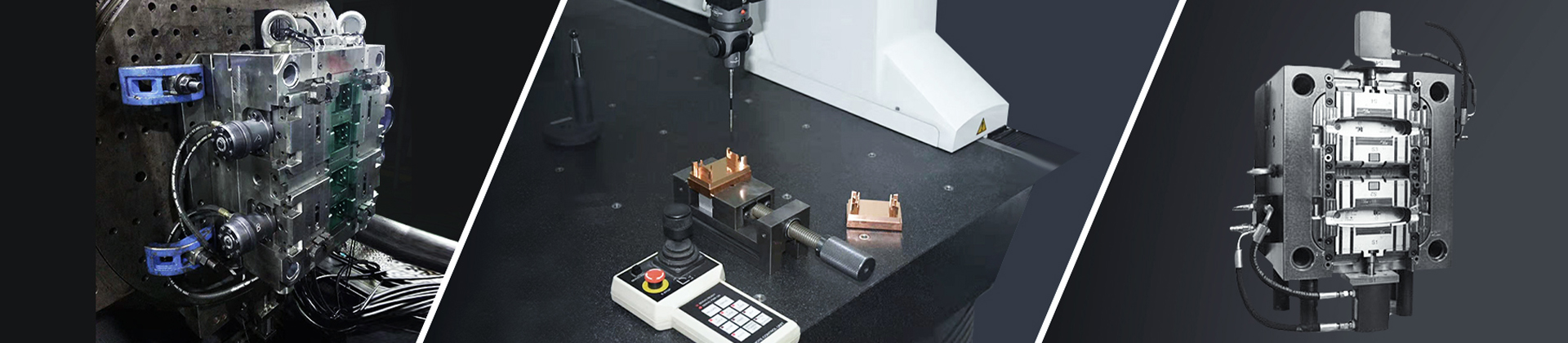
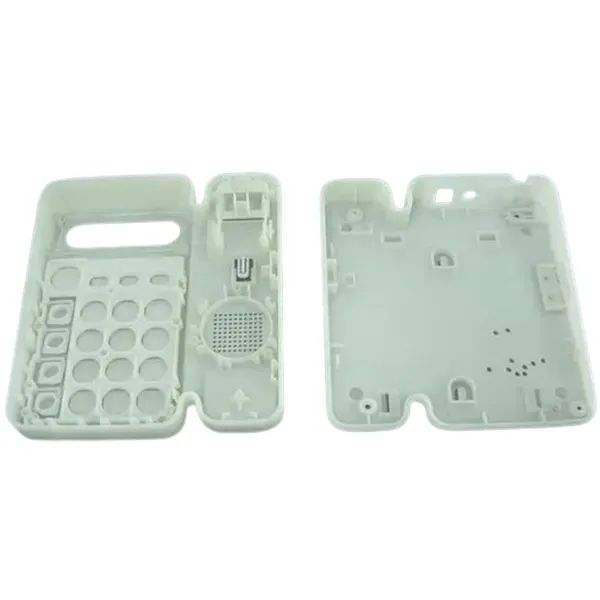
Longterm Mold today announced its integrated low volume production solutions, combining rapid prototypes, prototype mold options, rapid Tooling, and low volume cnc machining to help product teams launch faster and spend less. Companies using these methods report up to 70% lower tooling costs and lead-time reductions from months to days.
1. Seed: From rapid prototypes to Functional Parts in 5–15 Days
Traditional mass-production tooling often requires 8 to 12 weeks before a single test part emerges. With low volume production, that window collapses. By deploying rapid prototypes and low volume cnc machining, design teams can hold functional first articles in 5 to 15 days.
How the acceleration works:
Iterative cycles – A rapid prototypes phase (SLA, SLS, or CNC) delivers form-fit models within 3–7 days, enabling three design sprints in the time one hard-tool iteration used to take.
Beta runs via low volume cnc machining – Once geometry is locked, low volume cnc machining produces 50–500 units in 10–15 days for clinical trials, pilot launches, or trade shows.
Supply chain agility – Because low volume production runs are short, they align with just-in-time delivery, cutting warehousing costs by an average of 32% (internal customer survey, 2025).
For medical device developers, low volume production with rapid prototypes reduced certification-readiness time from 26 weeks to 11 weeks in a recent respiratory-device case.
2. Cost Structure: prototype mold and rapid Tooling Slash Upfront Investment
High-volume injection molds made of hardened steel can cost 30,000–80,000. A prototype mold built from aluminum or P20 steel costs 50%–70% less, and rapid Tooling techniques push lead times down to 10–14 days. That redefines the economics of low volume production.
Key savings data:
Tooling expense – A prototype mold for a consumer-electronics housing cost 8,500versusaquoted32,000 for a full production mold, a 73% reduction.
Material waste – Low volume cnc machining achieves a material utilisation rate of 92%–95%, compared with 70%–80% in high-volume stamping setups, cutting scrap by up to 20 percentage points.
Budget reallocation – Teams that switch to low volume production using rapid Tooling redirect an average of 60% of saved tooling capital into additional R&D or user-testing programmes.
Because rapid Tooling inserts can be swapped in days, brands can run three cavity variations for the price of one permanent mold, making prototype mold strategies ideal for consumer testing.
3. Design Flexibility: Iterate Freely with low volume cnc machining and rapid prototypes
Once steel is cut for mass production, design changes become expensive and slow. Low volume production removes that constraint. With low volume cnc machining and rapid prototypes, engineers adjust wall thickness, snap-fit geometry, or surface texture between batches without penalty.
What this enables:
Multi-variant testing – A sports-wearable brand used prototype mold iterations to test five strap-attachment designs in six weeks, selecting the winner based on 1,200 user-feedback points.
Complex geometries – Low volume cnc machining produces undercuts, deep pockets, and thin ribs that would require slides or lifters in injection molds, avoiding an extra 4,000–7,000 in tool complexity.
Material exploration – rapid prototypes let teams evaluate glass-filled nylon, TPU, and carbon-fibre composites in parallel. Transitioning to low volume cnc machining for the final material validates real-world durability with 200–1,000 functional units.
One automotive sensor project moved through seven rapid prototypes cycles in four weeks and then ordered 300 pieces via low volume cnc machining for on-vehicle validation – a process that with conventional tooling would have spanned five months.
Choosing the Right Approach: A Quick-Reference Table
| Requirement | Recommended Method | Typical Output | Lead Time | Best For |
|---|---|---|---|---|
| Visual/concept models (<50 pcs) | rapid prototypes (SLA/PolyJet) | 1–50 units | 3–7 days | Form, colour, ergonomic checks |
| Functional prototypes (metal/plastic) | low volume cnc machining | 10–500 units | 5–15 days | Mechanical testing, beta trials |
| Pilot injection-molded parts (100–10,000 pcs) | prototype mold + rapid Tooling | 100–10,000 shots | 10–14 days (tooling) | Market pilots, regulatory submissions |
| Bridge tooling before mass production | rapid Tooling (aluminum/soft steel) | Up to 50,000 shots | 10–18 days | Scaling while hard tool is being made |
If your project needs metal and plastic parts simultaneously, combine low volume cnc machining for metal components with a prototype mold for plastic housings. This hybrid low volume production approach consistently delivers complete assemblies 60% faster than single-process sourcing.
Why Low Volume Production Matters Now
Industries from medtech to consumer goods are compressing development cycles. Low volume production, powered by rapid prototypes, prototype mold technology, rapid Tooling, and low volume cnc machining, gives teams a data-backed path to market that avoids the financial risk of full tooling. In 2025, 68% of product launches that used a low volume production stage reported meeting their launch deadline, versus 41% of those that went straight to hard tooling (Product Development Institute survey).
Selecting the right partner for low volume production means evaluating not only machine lists but also in-house rapid Tooling capability and metallurgy support for prototype mold builds. Longterm Mold maintains 37 CNC machining centres, a dedicated rapid prototypes cell, and an on-site toolroom for prototype mold and rapid Tooling orders, enabling single-source project ownership from concept to pre-series.
Contact Longterm Mold for project consultation:
Tel: +86 156 0239 2025
Email: longterm@longterm-mold.com
Website: www.longterm-mold.com
