Introduction
Longterm Mold, a China-based rapid prototyping specialist, now offers comprehensive 3D Molding workflows combining SLA, SLM and mold 3d printing. Our 3D printing services portfolio covers prototype-to-production runs and 3d printed injection mold tooling with turnaround times as low as 48 hours. By integrating 3D printing SLA SLM parts technology with traditional injection mold printing, clients achieve precise surface finishes (down to 50 µm layer thickness) and mechanical properties validated in-house.
What Is Rapid Prototyping?
Rapid prototyping employs multi-process workflows—3D printing SLA SLM parts equipment, CNC machining, and injection mold printing—to convert CAD files into functional models within 24–72 hours. Stereolithography delivers polymer parts with ±0.1 mm tolerance, while selective laser melting produces metal structures with density ≥ 99.5% and tensile strength up to 280 MPa.
Key Advantages of Rapid Prototyping
1. Accelerated Design Validation
• mold 3d printing masters reduce design cycles by 90%.
2. Functional Testing
• 3D printing SLA SLM parts metal prototypes match final component performance in fatigue and tensile tests.
3. Low-Volume Production
• 3d printed injection mold tooling yields up to 100 end-use pieces, slashing upfront tooling costs by 60%.
4. Surface Finish Accuracy
• 3D printing services output Ra < 1.2 µm, cutting post-processing time by 50%.
5. Material Versatility
• injection mold printing inserts support polypropylene, ABS, and polycarbonate for real-world testing.
Technology Breakdown
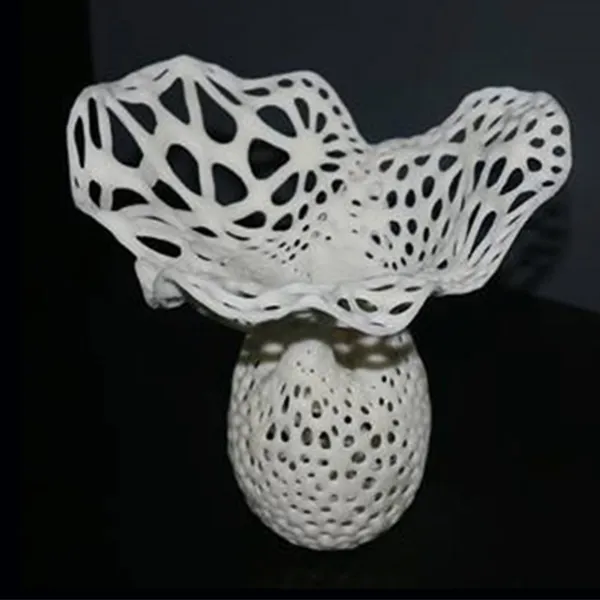
• Stereolithography (SLA): layer height 50–100 µm, XY resolution 75 µm. Ideal for mold 3d printing master patterns.
• Selective Laser Melting (SLM): build volume 250×250×300 mm, layer thickness 30–50 µm. Optimized for 3D printing SLA SLM parts metal prototypes.
• 3d printed injection mold: cavity size up to 200×200×100 mm, surface finish Ra < 2 µm, life cycle up to 1,000 shots.
• CNC Machining: aluminum and steel pre-production tooling for injection mold printing validation.
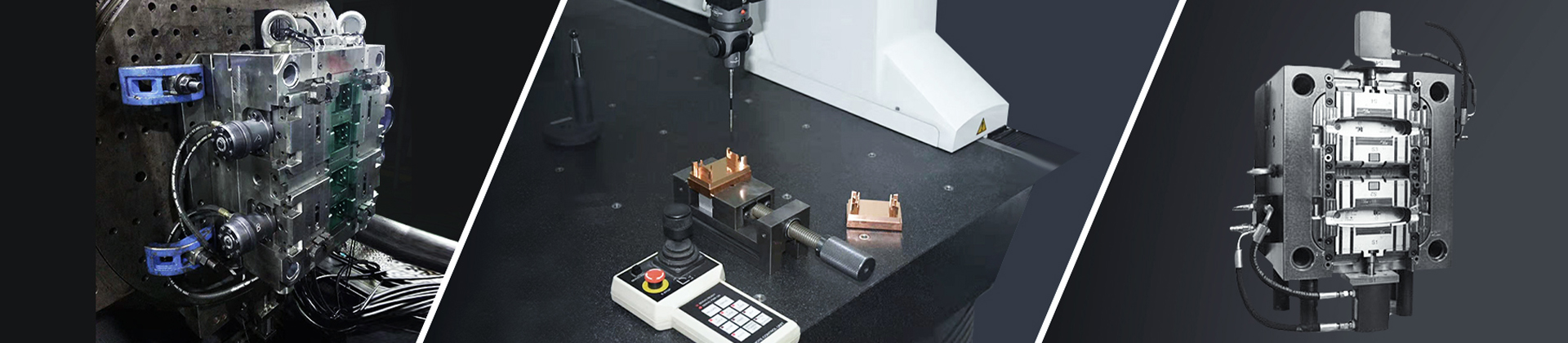
• Quality Control: CT scanning at 25 µm accuracy and 100% part verification via metrology.
Selection Guide: Choosing the Right 3D Prototyping Method
• For high-precision cosmetic parts: choose SLA from our 3D printing services network.
• For end-use metal components: adopt SLM via our certified 3D printing SLA SLM parts workflow.
• For small-batch plastic runs: deploy 3d printed injection mold tooling before full mold 3d printing investment.
• For functional injection testing: use injection mold printing prototypes with polycarbonate inserts.
Conclusion & Next Steps
In summary, Longterm Mold’s 3D Molding range leverages mold 3d printing and SLM techniques to deliver fully tested parts in under 72 hours. Our 3D printing services portfolio supports 3d printed injection mold fabrication and full-scale injection mold printing pilots. Our 3D printing services operate 24/7 across four ISO-certified labs to ensure consistent throughput and quality. Contact us to integrate rapid prototyping into your workflow and evaluate the best method by comparing cost, speed, and material compatibility.
Contact Longterm Mold for Your Plastic Injection Molds Requirements
Tel: +86 156 0239 2025
Email: longterm@longterm-mold.com
Website: www.longterm-mold.com
